The Winter Hazard of Slippery Surfaces
When we’re hunkering down indoors in the warm, we’re often unaware of what’s growing on our patios and decks - until we slip on it!
Winter brings low temperatures, increased rainfall, and shorter days with minimal sunlight – perfect conditions for algae to thrive, creating a micro-environment on stone, concrete, and timber.
When moisture remains trapped on porous hard surfaces without adequate sunlight to dry it out, microscopic spores colonise rapidly. This seasonal growth leads directly to slippery paving slabs, steps, decks, and garden paths.
So how do we deal with it?
Differentiating Moss, Algae, and Lichen
While many of us group all green growth into one category, understanding the differences helps in selecting the correct treatment strategy.
Green Algae
Algae form a thin, film-like green layer over surfaces. It thrives in high humidity and shaded conditions and is extremely slippery when wet.
Algae does not root deeply into a hard surface, but its microscopic structure retains water, making it the primary cause of slippery walkways. Knowing how to clean green surfaces effectively depends on targeting this film early.
How do you know you’re looking at algae and not moss? Here are a few of its characteristics to help you:

Above: Algae growth
· Colour: Bright green, dark green or olive green. It can also look almost black when wet.
· Texture: Smooth, slimy or slightly greasy, particularly after rain.
· Appearance: A flat stain or coating on the surface, rather than a distinct plant.
· Thickness: Usually extremely thin, with no obvious leaves, stems or roots.
· Location: Most common on shaded, north-facing patios and areas that remain damp for long periods.
· Seasonality: Particularly noticeable from late autumn through winter and into early spring, when surfaces stay wet and sunlight is limited.
Moss
Moss is a soft, tufted, non-vascular plant that builds thick green cushions in joints, cracks, and shady corners. Moss holds substantial amounts of water, acting like a sponge. Left untreated, moss expansion can dislodge mortar and push paving joints apart during freeze-thaw cycles.

Above: Moss growth
Here’s a simple test to tell whether you have moss or algae. Use a stiff brush or scraper on a small patch:
· If the green growth smears, produces green residue or brushes off as a thin coating, it's probably algae.
· If you can lift it away in little clumps or see tiny leafy structures, it's probably moss.
· If it's a hard, crusty patch firmly attached to the stone, it could be lichen rather than moss or algae. Bear in mind that you might find algae and moss growing together on the same patio.
Lichen
Lichen presents as crusty, slow-growing spots often referred to as black spots or white spots. Lichen is a symbiotic organism composed of fungi and algae. It bonds tightly to the pores of natural stone and concrete, making it harder to remove than standard green algae on patio areas.

Above: Common lichen types
The Hidden Risks of Pressure Washing
If you’re look for ways to remove algae from paving, high-pressure jet washing is often the first method considered. However, aggressive pressure washing can cause irreversible damage to surface materials.
· Surface Erosion: High water pressure strips away the top protective seal of concrete slabs, exposing porous aggregates underneath and accelerating future algae growth.
· Joint Degradation: Blasting paving joints washes out sand, mortar, or pointing material, destabilising the structure of the patio.
· Surface Delamination: Natural stones such as sandstone or slate can split along structural layers under intense pressure.
Rather than relying on mechanical force, applying targeted treatments offers a far safer, longer-lasting solution.
Safe Cleaning Methods and Approved Solutions
To effectively clean green patio surfaces without harming paving, use dedicated chemical and bio-based treatments designed to break down organic growth at a cellular level.
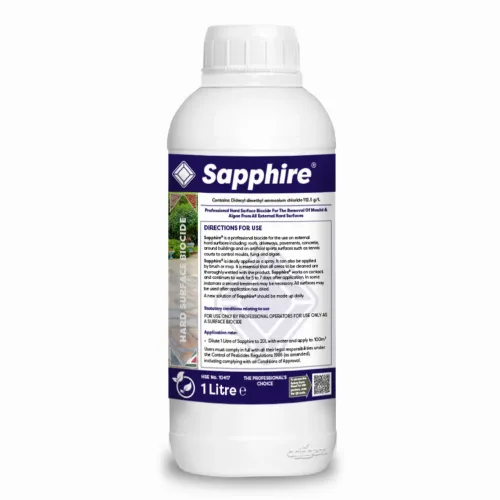
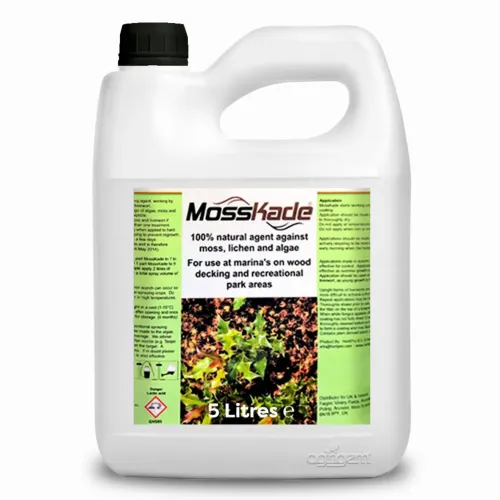
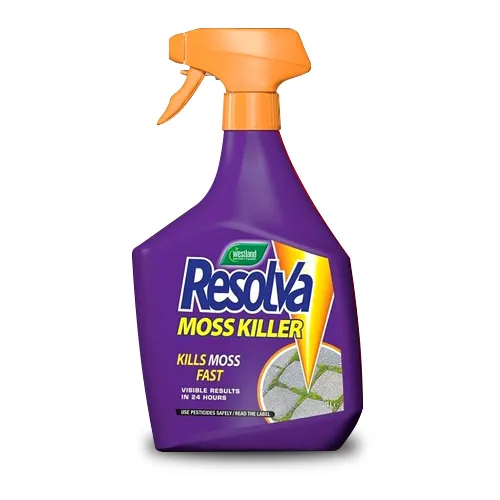
Agrigem provides several specialised products tailored to specific maintenance needs:
Product Name | Treats | Description | Features & Benefits |
Algae and green deposits. | Plant-derived bio-cleanser for hard surfaces – treatment and prevention. | Biodegradable, ideal for environmentally conscious application. Highly effective, economical and fast-acting. | |
Mould, algae and grime. | Heavy-duty treatment and prevention - for multi-surface grime. | Fast-acting formulation targeting deep-seated algae and mould. | |
Moss, liverwort, algae and lichen. | Natural agent for use against moss, lichen, and algae. | Creates a film that starves moss and algae naturally. | |
Moss and algae. | Spot-treatment for localised moss growth. | Convenient spray format for small paths and patios. |

Long-Term Prevention Strategies
Stopping algae growth completely requires ongoing cultural management combined with timely surface care. Here are a few steps you can take to reduce the risk of algae and moss-induced slipping in the garden:
1. Ensure garden borders and lawn edges drain away from paved areas, so water does not pool on paths.
2. Increase sunlight - trim back overhanging shrubs and low tree branches to reduce shade over steps and patios during low-sun winter months.
3. Clear leaf litter and organic debris frequently to prevent humus from settling into paving pores.
4. Apply Preventive Treatments. Treat high-risk shaded areas in autumn with Sapphire Pro or Sapphire before heavy winter rains begin.
Taking proactive steps now ensures your garden paths and entertaining areas remain clean, attractive, and safe to walk on throughout the winter months.
Written in collaboration with Dan Roberts.
Dan Roberts MBPR
Dan Roberts is Agrigem’s Sales Manager, overseeing a team of sales staff and technical account managers across a variety of sectors - including equestrian, sports, landscaping, leisure, distribution, forestry, and lawncare.
Dan joined Agrigem in 2019, initially working with large customers such as CBRE, Lightsource BP, The National Trust, and The Nurture Group - advising on landscaping and grounds maintenance needs. He places great value on the long-term relationships developed with these and many other organisations, citing Agrigem’s speed of response as one of the core reasons for this longevity, together with its technical knowledge and ability to guide and advise customers.
Article Notes:
1. Sapphire Pro is a trademark of Agrigem Ltd. It contains 500g/L nonanoic acid.
2. Sapphire is a trademark of Agrigem Ltd. It contains 112.5g/L Didecyldimethyl-ammonium chloride.
3. Resolva Moss Killer is a trademark of Westland Horticulture Ltd. It contains pelargonic acid.
4. Mosskade is a trademark of Fargro. It contains natural plant derived starch, proteins, oils and lactic acid.
5. Use plant protection products safely. Always read the label and product information before use. For label and safety information, refer to the manufacturer’s website.
6. Only certified users may apply professional plant protection products. Find out more about safe use of pesticides here.